The Clocks Change This Weekend: Protecting Your Sleep and Your Mood
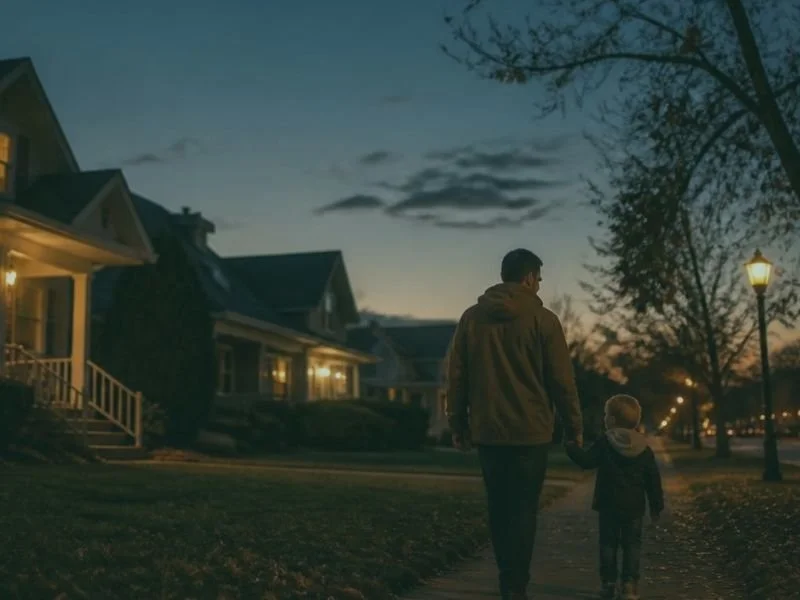
At 2 a.m. on Sunday, November 1, clocks across most of the country fall back an hour. The popular framing is that you get an extra hour of sleep, which sounds like a gift. What actually happens for a lot of people is a week of waking up too early, a 5 p.m. sunset that feels like 8 p.m., and a mood dip that arrives without an obvious cause.
Daylight saving time and sleep are connected more tightly than most people realize, and the fall change is worth taking seriously even though it is the "easy" one.
Why Falling Back Is Not Actually Free
Your body does not run on the clock on the wall. It runs on an internal circadian rhythm set largely by light exposure. When the clock shifts and your internal timing does not, the two fall out of sync for several days.
In practice, that looks like waking at 5 a.m. because your body still thinks it is 6, getting hungry at odd times, and hitting a wall at what used to be a normal hour. It sorts itself out, but it takes most people the better part of a week.
The bigger issue is the sudden loss of evening light. Nothing about your day changes except that it is dark when you leave work, and that shift alone is enough to affect energy, motivation, and mood.
The American Academy of Sleep Medicine has taken the position that permanent standard time is the healthier choice, specifically because it better matches human circadian biology than the twice-yearly switching we currently do.
Ease Into It Instead of Absorbing It All at Once
You have a few days. Use them.
Shift bedtime and wake time later by 15 minutes a day starting Thursday, so Sunday is a smaller jolt
Keep wake time consistent through the weekend rather than sleeping in, which deepens the misalignment
Move dinner slightly later along with everything else
Skip the long Sunday nap, however tempting
If you do nothing else, hold your wake time steady. It is the single strongest anchor for your body clock.
Chase the Morning Light
Light in the morning is what resets the system. After the change, the sun comes up earlier, which is the one genuine advantage of falling back.
Get outside within an hour of waking, even for ten minutes, even when it is overcast
Open the blinds first thing instead of moving through a dim house
Take a call or your coffee outside if the morning allows it
Sit near a window if going outside is not realistic
Ten minutes of outdoor morning light does more for your body clock than an hour under indoor lighting.
Plan for the Dark Evening
The 5 p.m. sunset is the part people underestimate. Evening darkness pulls the whole day forward, and it is easy to go straight from work to the couch.
Move exercise to earlier in the day if the dark kills your motivation to go out after work
Put something on the calendar for the first week of dark evenings so the habit of staying in does not set immediately
Use brighter light indoors in the early evening, then dim it an hour before bed
Keep screens out of the last hour before sleep, since evening light exposure pushes your clock in the wrong direction
Kids Feel This More Than Adults
Young children run on internal schedules that do not care what the clock says. A toddler who woke at 6 will now wake at 5, which is a real problem for the whole household.
Start shifting nap and bedtime 10 to 15 minutes later a few days ahead
Make the room genuinely dark, since earlier sunrise will wake them otherwise
Hold the routine steady, even if the times move
Expect three to seven days of adjustment and plan a lighter weekend accordingly
Teenagers are affected differently. Their natural rhythm already runs late, and the change plus darker evenings can make school mornings harder for a couple of weeks.
When the Dip Does Not Lift
A few off days after a time change is normal. What is not normal is a low that settles in and stays through November and beyond. If you notice persistent low energy, oversleeping, loss of interest in things you usually enjoy, changes in appetite, or a mood that stays flat for more than two weeks, that is worth taking to a professional rather than waiting for spring.
We wrote about this pattern in more depth in how seasonal changes can affect your mood. Seasonal mood changes respond well to treatment, and the earlier they are addressed, the better the winter tends to go.
Small Adjustments, Real Payoff
The time change is one hour. The reason it lands harder than it should is that most people absorb it all at once and then fight the darker evenings without a plan. A few days of small shifts and some deliberate morning light takes most of the sting out of it.
If your sleep, energy, or mood has been off for longer than the time change can explain, CBH offers therapy and medication management for adults, kids, and teens across California, in person and by telehealth. Book an appointment or find a location near you.