When Your Child Will Not Tell You They Are Being Bullied
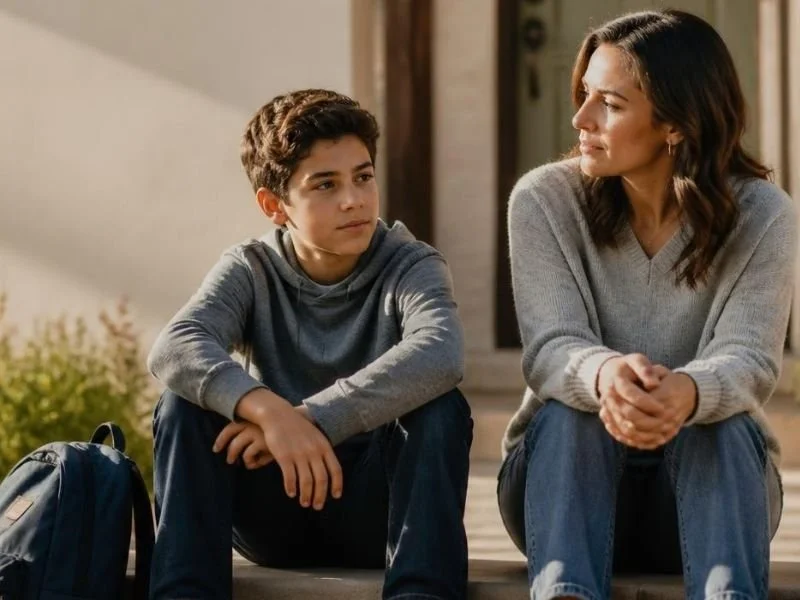
Kids rarely announce it. What parents usually get instead is a stomachache every Tuesday morning, a sudden hatred of the bus, or a child who used to talk about their day and now says nothing. October is National Bullying Prevention Month, and by mid-fall, social groups at school have settled into place. If your child landed on the outside of them, this is often when it starts to show at home.
According to the National Center for Education Statistics, about 19 percent of students ages 12 to 18 reported being bullied at school during the 2021-22 school year. Roughly one in five. And that number only counts the kids who told someone.
Why Kids Stay Quiet
Understanding the silence helps you work around it. Children hold back for reasons that make complete sense from where they are standing:
They think telling will make it worse, and sometimes they have seen that happen
They are embarrassed, and shame is a powerful silencer at any age
They worry you will call the school and take the situation out of their hands
They have decided it is their own fault
They do not want to disappoint you or add to your stress
They are not sure it counts as bullying
That last one is common with social exclusion and online cruelty, which do not fit the playground picture kids have in their heads.
Signs Your Child Is Being Bullied
Watch for changes in pattern more than any single behavior. The signs your child is being bullied often show up as:
Physical complaints on school mornings that clear up by afternoon
Sudden reluctance to go to school, ride the bus, or attend an activity they used to like
Changes in appetite or sleep, including trouble falling asleep or nightmares
Coming home hungry, which can mean lunch money or lunch itself is being taken
Lost or damaged belongings with vague explanations
Dropping friends or losing an entire friend group at once
Irritability, tearfulness, or emotional outbursts that seem to come from nowhere
Getting quiet or upset after being on their phone
Slipping grades or trouble concentrating on homework
Negative self-talk: "nobody likes me," "I am such a loser"
Online bullying adds its own layer. Among students who reported being bullied, NCES found that 22 percent said it happened online or by text. That version follows a child home, which is why a kid can seem fine at school pickup and fall apart at 9 p.m.
How to Open the Conversation
Direct interrogation usually shuts things down. A few approaches that work better:
Go sideways. "Is there anyone at school who is having a hard time with other kids right now?" is easier to answer than "Are you being bullied?"
Talk during an activity. Driving, walking the dog, or cooking together removes the eye contact that makes hard conversations harder.
Name what you noticed, without a theory. "You have not wanted to go to practice for a few weeks. What is going on with that?"
Let silence sit. Kids often need a long pause before they start. Resist filling it.
Promise a process, not secrecy. Do not promise to keep it to yourself. Promise you will not do anything without telling them first. That is the promise you can actually keep, and it addresses their real fear.
What to Do Once They Tell You
The first minute matters most. Believe them, thank them for telling you, and do not react with visible panic or anger, which teaches a child that telling you creates a problem.
From there:
Write down what happened, when, where, and who saw it. Documentation matters if the school gets involved.
Screenshot anything online before it is deleted.
Loop in the school in writing, and ask specifically what the follow-up will be and when.
Help your child rebuild somewhere else: a club, a sport, a group outside school where the social slate is clean.
Keep checking in. One conversation is not a resolution.
The federal resource StopBullying.gov has practical guidance on working with schools, including what to do when a first report does not lead to change.
When It Is More Than a Rough Patch
Bullying can leave marks that outlast the situation. Consider professional support if your child is showing lasting anxiety about school, withdrawing from things they used to enjoy, having ongoing sleep problems, or saying things about themselves that worry you.
Therapy gives a child a place to process what happened that is not the dinner table, and it helps rebuild the confidence that bullying erodes. Therapy for kids and teens at CBH is available in person and through telehealth, so a child can be seen without missing a full afternoon of school.
If your child ever expresses thoughts of suicide or self-harm, treat it as urgent. The 988 Suicide and Crisis Lifeline can be reached by call or text at 988.
Your Job Is to Be the Safe Place
You cannot control what happens in a hallway. You can be the person your child eventually tells. That usually comes from steady, low-pressure availability rather than one big talk.
If your child needs more support than home can provide right now, CBH's youth services team is here. Book an appointment when you are ready.