It's Mental Health Awareness Month: Why Asking for Help Is a Sign of Strength
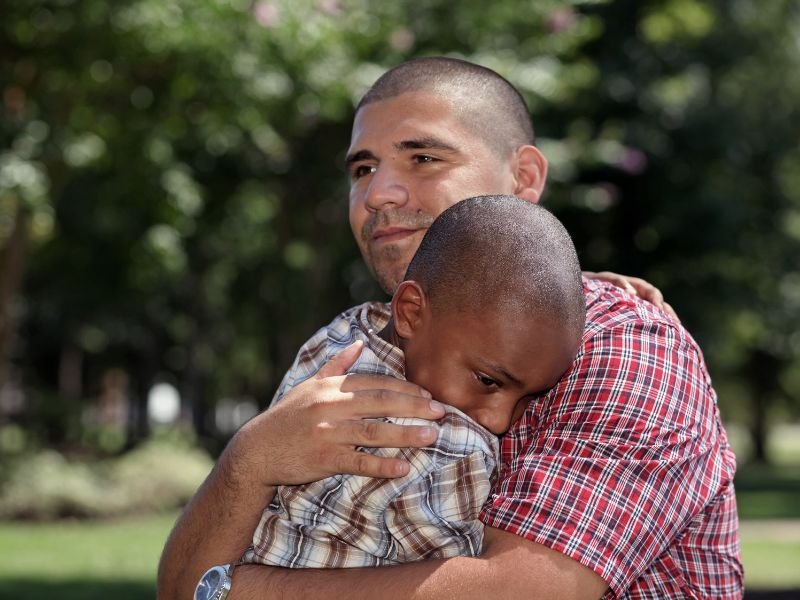
Every May, Mental Health Awareness Month reminds us of something important: your mental health matters just as much as your physical health. It is a time to have open conversations, challenge the stigma that still surrounds mental health care, and encourage the people around us to seek the support they deserve.
At Community Behavioral Health, we believe that no one should have to suffer in silence. Mental health challenges are common, they are real, and they are treatable. Yet many people still hesitate to reach out for help. For some, it feels like admitting weakness. For others, it feels like a step they are not ready to take.
This blog is for anyone who has ever thought about reaching out but held back. Asking for help is not a sign of weakness. It is one of the strongest things you can do.
Why Mental Health Still Carries Stigma
Despite growing awareness, stigma around mental health remains a powerful barrier. Many people feel pressure to handle their struggles alone or to push through difficult emotions without support. This pressure can come from cultural beliefs, family expectations, workplace norms, or personal fears about being judged.
Common thoughts that keep people from seeking care include:
"I should be able to handle this on my own."
"Other people have it worse than I do."
"Therapy is for people with serious problems, not me."
"What will people think if they find out I see a therapist?"
"Taking medication means something is really wrong with me."
These beliefs are understandable, but they are not accurate. Mental health conditions are not a reflection of personal failure. They are a part of the human experience, and they respond to treatment just like any other health concern.
What It Really Means to Ask for Help
Asking for help requires honesty, self-awareness, and courage. It means recognizing that something in your life is not working and choosing to do something about it instead of waiting for things to get worse.
Reaching out for mental health support means:
Acknowledging your own needs. Many people spend their lives caring for others while ignoring what they need themselves. Choosing to prioritize your well-being is an act of self-respect.
Challenging old beliefs. If you grew up in a family or community where emotions were minimized or mental health was not discussed, seeking therapy can feel like going against everything you were taught. That takes real courage.
Choosing growth over comfort. Staying stuck often feels safer than facing difficult emotions. Asking for help means you are willing to do the hard work of healing and growing.
Setting an example for others. When you normalize mental health care in your own life, you give the people around you permission to do the same. This is especially powerful for children, teens, and loved ones who may be watching how you handle challenges.
Strength is not about pushing through pain alone. Strength is about knowing when you need support and being willing to accept it.
Signs You Might Benefit From Talking to Someone
Many people wait until they are in crisis before reaching out for help. But therapy and mental health support are not just for emergencies. They can be helpful at any stage, whether you are navigating a major life event or simply feeling like something is off.
You might benefit from talking to a professional if you are experiencing:
Persistent sadness or low mood that does not seem to lift
Anxiety or worry that feels difficult to control
Trouble sleeping or feeling rested
Loss of interest in activities you used to enjoy
Difficulty concentrating or making decisions
Irritability or emotional reactions that feel out of proportion
Withdrawal from friends, family, or responsibilities
Feeling stuck, overwhelmed, or emotionally exhausted
Stress from work, relationships, or life transitions
Grief, loss, or major changes that feel hard to process
You do not need a diagnosis to seek support. If something feels heavy, that is reason enough to talk to someone.
What Mental Health Support Actually Looks Like
If you have never been to therapy or spoken with a mental health provider before, it is natural to feel unsure about what to expect. Understanding what support looks like can make the idea feel more approachable.
Talk therapy is a conversation between you and a trained professional in a safe, confidential space. Your therapist listens without judgment, helps you identify patterns, and works with you to build skills that support your emotional well-being. Therapy can help with anxiety, depression, trauma, stress, relationship challenges, grief, ADHD, and much more.
Medication management is another form of support that can be helpful for some individuals. A psychiatric provider evaluates your symptoms and determines whether medication might help regulate mood, reduce anxiety, improve focus, or support emotional stability. Medication does not change who you are. It simply helps your brain function in a way that supports your healing.
Many people benefit from therapy alone. Others find that a combination of therapy and medication gives them the most relief. There is no single right approach. The right plan is the one that fits your needs.
Common Fears About Starting Therapy
Starting something new can feel intimidating, especially when it involves being open about your emotions. If you have been thinking about therapy but have not taken the first step, you are not alone. Here are some of the most common fears people have, and the truth behind them.
"I don't know what to say." You do not need to have everything figured out before your first appointment. Your therapist will guide the conversation and help you explore what is on your mind at your own pace.
"What if it doesn't work?" Therapy is a process, and progress takes time. Some people feel relief after just a few sessions, while others need longer. What matters most is finding a provider who feels like the right fit.
"I can't afford therapy." Many people assume therapy is out of reach financially. At CBH, we accept Medi-Cal, Gold Coast Health Plan, and San Francisco Health Plan, making quality mental health care accessible to the communities we serve.
"I don't have time." Between work, family, and daily responsibilities, it can feel impossible to add one more thing. CBH offers telehealth appointments across all of California, so you can attend sessions from home, during a lunch break, or whenever it works for your schedule.
"I should be able to handle this without help." You would not hesitate to see a doctor for a broken bone. Your mental health deserves the same attention and care. Seeking support is not giving up. It is showing up for yourself.
Mental Health Awareness Starts With You
Mental Health Awareness Month is about more than social media posts and green ribbons. It is about making real changes in how we think about, talk about, and prioritize emotional well-being.
Here are some ways to support mental health awareness in your own life this May:
Check in with yourself honestly. Ask yourself how you are really doing, not just how you appear to be doing.
Start a conversation. Talk with a friend, family member, or coworker about mental health. Open dialogue helps reduce shame and isolation.
Educate yourself. Learn about conditions like anxiety, depression, ADHD, PTSD, and postpartum mental health so you can better understand your own experiences or support someone you care about.
Take one small step. If you have been thinking about therapy, this is your invitation to reach out. You do not have to have all the answers. You just have to be willing to start.
Be kind to yourself. Mental health is not about being perfect. It is about being honest, being patient, and allowing yourself the grace to grow.
How CBH Can Help You Take the First Step
At Community Behavioral Health, we know that reaching out takes courage. That is why we have built our practice around making that first step as easy as possible.
Same-day and next-day appointments so you do not have to wait weeks to be seen
Provider matching typically within 24 hours to connect you with the right therapist or prescriber
Telehealth across all of California so you can access care from wherever you are
Six in-person locations in Moorpark, Oxnard, Fairfield, Yuba City, Redding, and San Francisco
Bilingual services in English and Spanish
Therapy and medication management for kids, teens, and adults
Specialized support for anxiety, depression, ADHD, PTSD, bipolar disorders, OCD, grief, addiction, postpartum mental health, and more
We serve individuals across Medi-Cal, Gold Coast Health Plan, and San Francisco Health Plan, because everyone deserves access to quality mental health care regardless of their circumstances.
You Deserve to Be Supported
You do not have to wait until things feel unbearable. You do not have to earn the right to ask for help. And you do not have to figure everything out on your own.
This Mental Health Awareness Month, give yourself permission to take care of your mind the same way you would take care of your body. Whether you are struggling right now or simply want to build healthier habits for the future, you deserve compassionate, professional support.
Asking for help is not the moment you admit defeat. It is the moment you begin to move forward.
At Community Behavioral Health, we are here to walk with you through every step of your journey.
Ready to begin? Contact Community Behavioral Health today to schedule your first appointment. Same-day and next-day availability means you do not have to wait to start feeling better.