Helping Children Finish the School Year Strong: Emotional Support for Spring
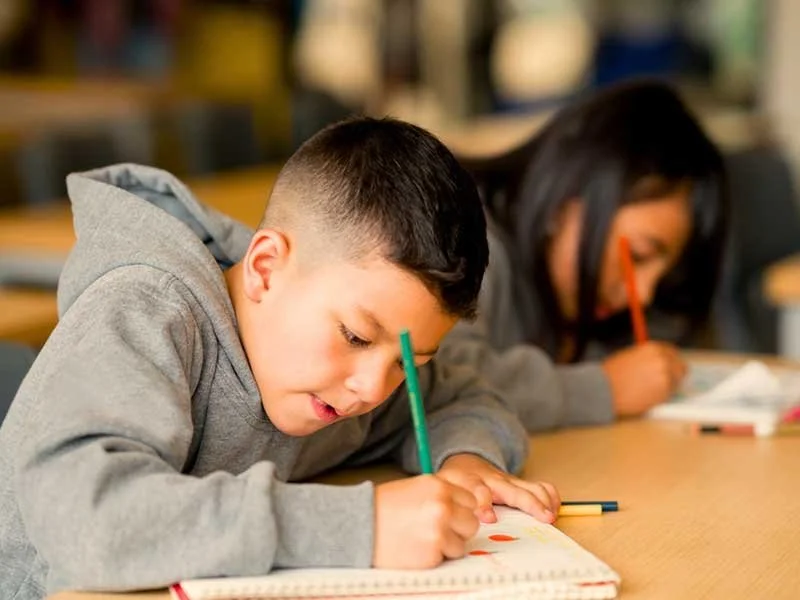
As the school year begins to wind down, many families expect things to start feeling easier. The weather is warmer, summer is getting closer, and schedules begin to change. However, for many children, spring can actually be one of the most stressful times of the school year. End of year testing, projects, changing routines, social pressures, and academic expectations can leave children feeling overwhelmed, tired, or emotional.
At Community Behavioral Health, we often see an increase in stress, anxiety, and emotional overwhelm in children during the last few months of the school year. Understanding what children may be experiencing during this time can help parents and caregivers provide the support they need to finish the year feeling confident and supported.
Why the End of the School Year Can Be Stressful for Children
Adults often think of spring as a fun and exciting time for kids, but children may experience several pressures during this time of year. These may include:
State testing or final exams
Large school projects and deadlines
Changes in routine
Social challenges or friendship changes
Sports and extracurricular commitments
Fatigue from a long school year
Worry about the next grade or a new school
Schedule changes at home
By spring, many children are simply tired. Their patience is lower, emotions are closer to the surface, and small problems can feel much bigger.
Signs Your Child May Be Feeling Overwhelmed
Children do not always say, “I am stressed.” Instead, stress often shows up through behavior, mood, or physical symptoms. Some signs your child may be feeling overwhelmed include:
Increased irritability or emotional outbursts
Trouble sleeping
Complaining of headaches or stomach aches
Avoiding school or homework
Difficulty concentrating
Changes in appetite
Withdrawing from friends or activities
Being more sensitive than usual
Saying things like “I can’t do this” or “I’m bad at school”
These behaviors are often signs that a child is feeling overwhelmed, not that they are being difficult or lazy.
How Parents Can Provide Emotional Support
Supporting children through the end of the school year does not require perfect parenting. Small, consistent actions can help children feel safe, supported, and capable of finishing strong.
1. Focus on Effort, Not Just Grades
Children often feel pressure to perform. Remind them that effort, improvement, and persistence matter more than perfection. Praise hard work, not just outcomes.
2. Keep Routines Consistent
Even when schedules get busy, try to maintain consistent sleep times, meals, and downtime. Predictable routines help children feel safe and regulated.
3. Help Break Big Tasks Into Smaller Steps
Large projects and studying for tests can feel overwhelming. Help your child break assignments into smaller, manageable tasks so they do not feel impossible.
4. Make Time for Rest and Fun
Children still need time to relax and play, even when school is busy. Downtime helps regulate emotions and reduce stress.
5. Talk About Feelings Openly
Ask simple questions like:
What was the hardest part of your day?
What was the best part of your day?
Is anything at school worrying you right now?
Listening without immediately trying to fix everything helps children feel understood.
6. Model Calm Behavior
Children watch how adults handle stress. When you stay calm and problem solve instead of panic, you teach them how to handle challenges.
When a Child May Need Extra Support
Some stress at the end of the school year is normal, but it may be helpful to seek additional support if your child is experiencing:
Frequent emotional meltdowns
Severe anxiety about school
Ongoing sleep problems
Refusal to go to school
Sudden drop in grades
Withdrawal from friends or activities
Persistent sadness or worry
Negative self talk like “I’m stupid” or “I can’t do anything right”
These signs may indicate that a child is feeling overwhelmed and needs additional emotional support.
Helping Children Finish Strong Is About Support, Not Pressure
Finishing the school year strong does not mean perfect grades, perfect behavior, or perfect performance. Finishing strong means helping children feel supported, capable, and confident that they can handle challenges.
What children remember most is not their test scores. They remember whether they felt supported, understood, and encouraged.
As the school year comes to an end, one of the most helpful things you can tell your child is:
“I’m proud of how hard you are trying, and I’m here to help you finish the year.”
If your child is feeling overwhelmed, anxious, or struggling emotionally, Community Behavioral Health is here to support children, teens, and families. Contact us today to schedule an appointment.