Recognizing Anxiety vs. Everyday Stress
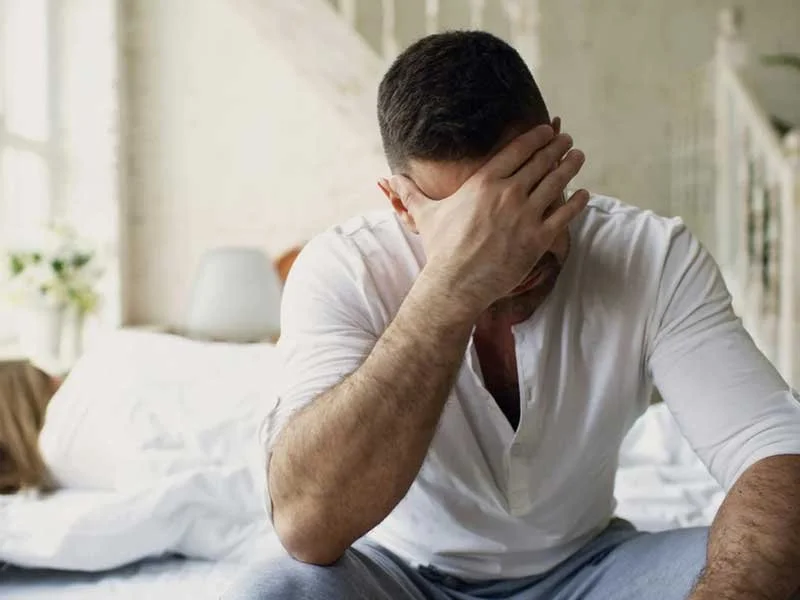
Everyone experiences stress from time to time. A busy schedule, work deadlines, family responsibilities, financial concerns, or major life changes can all create feelings of pressure and overwhelm. In many cases, stress is a normal response to life's challenges and often improves once the situation is resolved.
Anxiety, however, is different. While stress usually has a clear cause, anxiety can persist even when there is no immediate problem to solve. Understanding the difference between everyday stress and anxiety can help you recognize when it may be time to seek additional support.
At Community Behavioral Health, we believe that recognizing the signs early can make a significant difference in improving mental health and overall well-being.
What Is Everyday Stress?
Stress is your body's natural response to a challenge or demand. It activates your body's "fight or flight" response, helping you react to situations that require focus, energy, or quick decision making.
Common sources of stress include:
Work responsibilities
School assignments
Family obligations
Financial concerns
Moving
Health issues
Major life changes
Stress is often temporary. Once the situation improves or the challenge passes, stress levels usually begin to decrease.
In some cases, stress can even be motivating, helping people stay focused and accomplish important tasks.
What Is Anxiety?
Anxiety is more than occasional worry or nervousness. It is a persistent feeling of fear, worry, or uneasiness that may continue even when there is no immediate threat.
Anxiety can affect the way people think, feel, and function in everyday life.
Unlike stress, anxiety often remains long after a stressful event has ended, or it may occur without an obvious cause at all.
For some individuals, anxiety becomes frequent enough to interfere with work, school, relationships, or daily activities.
Common Signs of Stress
Stress may cause:
Feeling overwhelmed
Irritability
Muscle tension
Trouble sleeping
Headaches
Difficulty concentrating
Feeling mentally exhausted
Temporary changes in appetite
These symptoms often improve as the stressful situation becomes more manageable.
Common Signs of Anxiety
Anxiety may include:
Constant or excessive worrying
Feeling restless or on edge
Racing thoughts
Difficulty controlling worry
Trouble concentrating
Panic attacks
Rapid heartbeat
Shortness of breath
Difficulty sleeping
Avoiding situations that create fear
Feeling like something bad is about to happen
These symptoms may continue for weeks or months and can occur even when life appears relatively calm.
How Anxiety Can Affect Daily Life
Everyone feels nervous occasionally, but anxiety can begin affecting everyday activities when it becomes persistent.
You may notice:
Avoiding social situations
Difficulty completing work or school tasks
Constant overthinking
Trouble making decisions
Feeling emotionally exhausted
Difficulty relaxing, even during free time
Many people with anxiety describe feeling like their minds never fully "turn off."
Stress and Anxiety Can Look Similar
Because stress and anxiety share many symptoms, it can sometimes be difficult to tell the difference.
For example, both may cause:
Increased heart rate
Difficulty sleeping
Irritability
Trouble focusing
Fatigue
The biggest difference is often how long the symptoms last and whether they continue after the stressful situation has passed.
If the worry feels constant, excessive, or difficult to control, anxiety may be playing a larger role.
When Stress Becomes Chronic
Stress that continues for weeks or months without relief can also begin affecting mental and physical health.
Chronic stress may contribute to:
Burnout
Anxiety
Depression
High blood pressure
Digestive issues
Weakened immune function
Sleep problems
Managing stress early can help reduce the risk of longer-term emotional and physical health concerns.
Healthy Ways to Manage Stress and Anxiety
Whether you are experiencing stress or anxiety, healthy coping strategies can make a difference.
Some helpful habits include:
Prioritizing sleep
Spending time outdoors
Exercising regularly
Practicing deep breathing
Limiting screen time
Staying connected with supportive people
Maintaining healthy routines
Practicing mindfulness
Setting healthy boundaries
Small daily habits can improve emotional resilience and help your mind and body recover from stress.
When It May Be Time to Seek Help
While occasional stress is a normal part of life, professional support may be helpful if you notice:
Worry that feels difficult to control
Anxiety lasting for several weeks or longer
Panic attacks
Difficulty functioning at work or school
Avoiding everyday activities
Ongoing sleep problems
Physical symptoms without a medical explanation
Stress or anxiety interfering with relationships or daily life
Seeking help does not mean your struggles are "serious enough." You do not have to wait until you reach a crisis before talking to a mental health professional.
You Don't Have to Navigate It Alone
Life will always include stressful moments, but you do not have to carry the weight of constant worry on your own.
Learning to recognize the difference between everyday stress and anxiety is an important step toward protecting your mental health. With the right support, healthy coping strategies, and professional guidance when needed, it is possible to feel more balanced, confident, and in control.
If stress or anxiety is beginning to affect your daily life, Community Behavioral Health is here to help. Our compassionate team provides mental health services for children, teens, adults, and families. Contact us today to schedule an appointment and take the first step toward feeling better.